
Navigation Routes
Lantern alignments marked reef edges and guided cargo, fishing, and mail passages along the headlands.
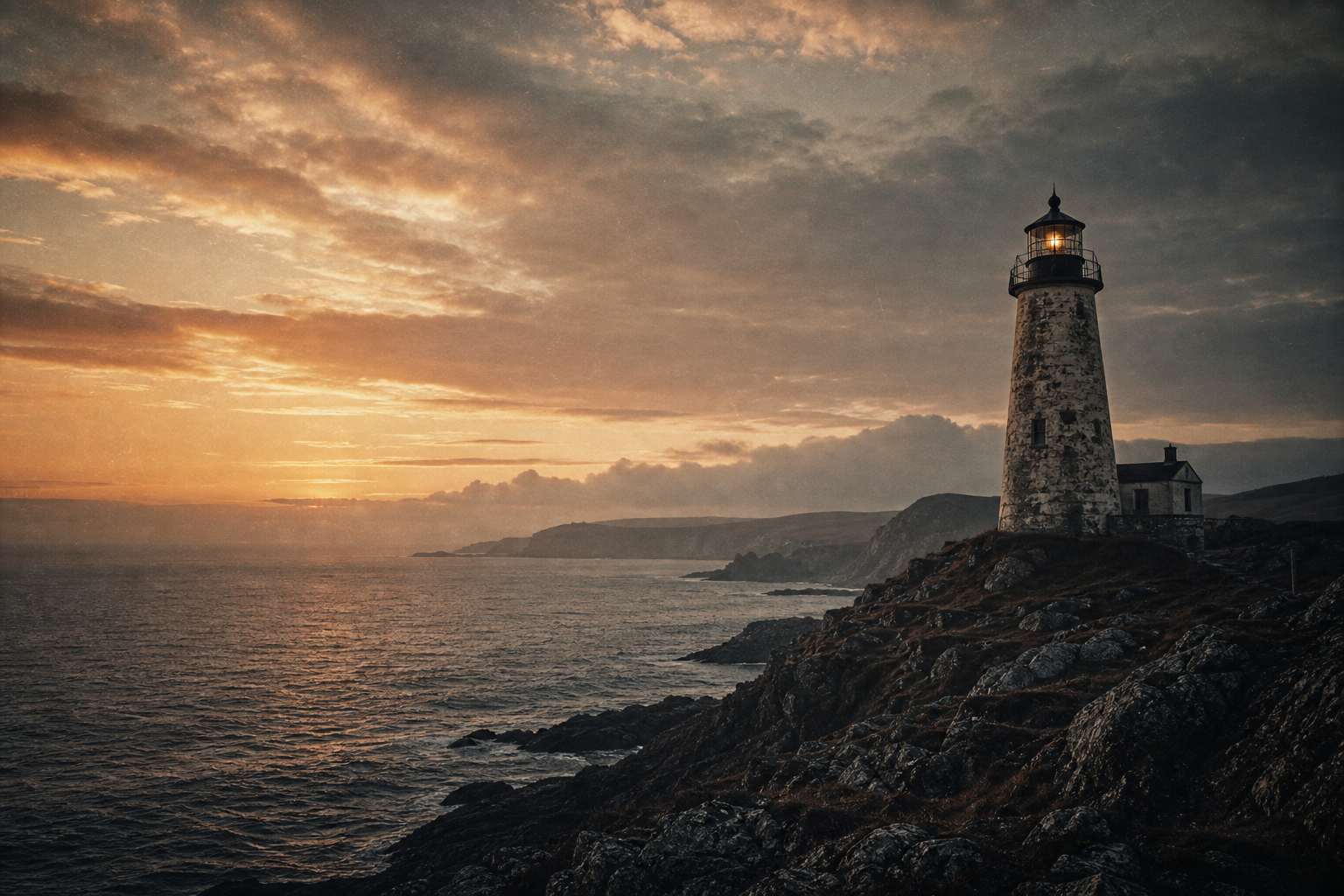
Explore archive photographs, keeper stories, and the preserved towers that still watch the shoreline through wind, fog, and generations of seafaring memory.
Explore preserved towersShoreline memory
Oral and visual records
Keeper life
Routines, logs, and voices
Preserved landmarks
Towers still standing
Northern coast context
Before radio and modern radar, these lights formed a shared language for ships, fishing crews, and harbor towns moving through weather, darkness, and uncertain water.
Heritage Overview
A quick exhibit-style scan before you continue into archive photographs, keeper stories, and preserved tower records.
Lantern alignments marked reef edges and guided cargo, fishing, and mail passages along the headlands.
Storm records reveal winter squalls, dense fog, and wave impact that repeatedly tested towers and crews.
Daily logs trace wick care, clockwork winding, signal checks, and isolated night watches in all seasons.
Restoration groups, local archives, and volunteers keep surviving stations legible for future coastal study.
Archive Gallery
A quiet sequence of first light, rough weather, and altered shoreline—framed as working evidence from tower life.
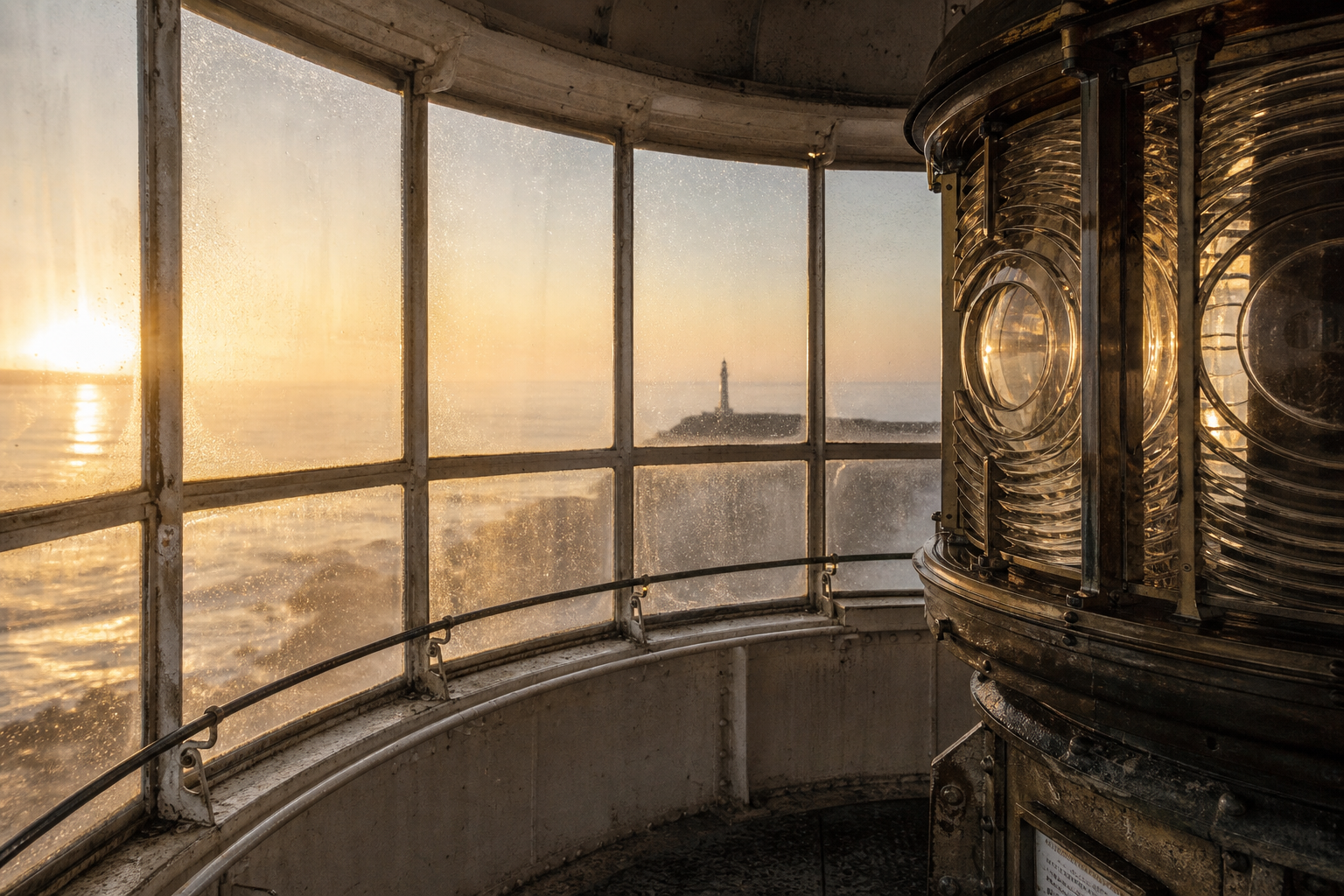
Dawn Watch, Lantern Gallery
Logbook references place this haze-heavy sunrise in late spring, when keepers began glass polishing before first full beam rotation.
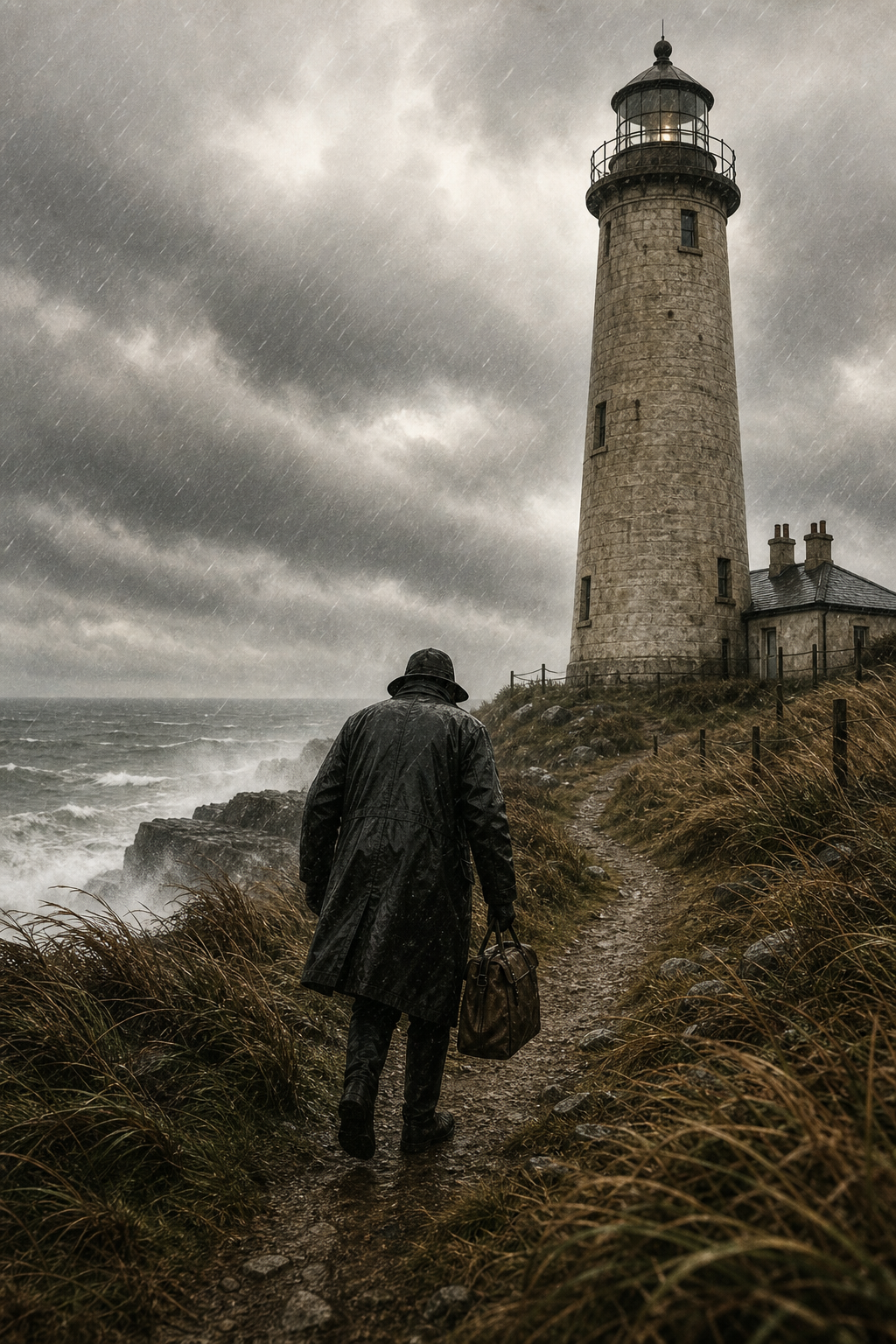
Storm-Season Walk
Uniform notes suggest messenger duty between fuel shed and stair access during repeated gale warnings.
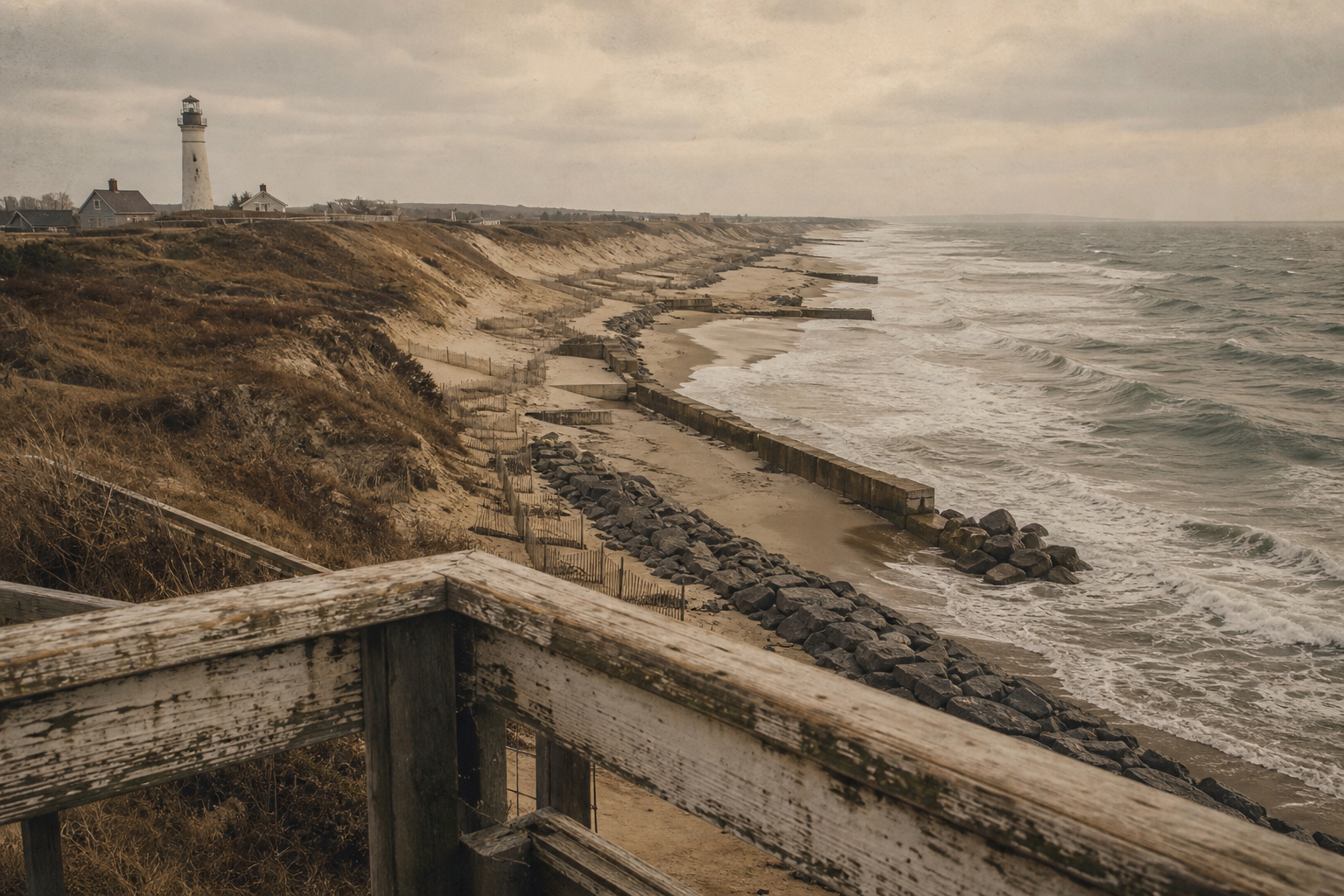
Shoreline Change View
Margin marks on the reverse compare dune retreat against newer walling installed after mid-century flood seasons.
Keeper stories
Small routines, weathered hands, and steady night watches gave each tower its human rhythm.
Assistant keeper, spring ledger
“By dusk, the glass had to shine brighter than the sea could darken.”
She polished the lens before supper each evening, then logged wind shifts while her children counted the bell marks from the kitchen table.
Relief watchman, gale season
“The foghorn carried farther than my own voice, so I trusted it to speak for us.”
On storm nights he rotated between lamp checks and signal pulls, timing each round to the swell striking the outer reef.
Head keeper, winter nights
“Midnight was never silent; the tower answered every wave with its own pulse.”
He walked the stairs at set intervals until dawn, brewing tea between rounds while the lamp and logbook marked the hours together.
Preserved towers guide
An illustrated coastal reference to surviving lighthouse towers, with locality notes to help you connect archive history to places you can still walk today.
Visit notes
A few practical notes to help you explore preserved towers safely, thoughtfully, and in step with local heritage care.
Many towers sit on public paths, but gates, stair interiors, and nearby grounds may be seasonal or managed by local trusts. Always follow posted hours, boundary signs, and caretaker guidance before entering any enclosed area.
Wind, spray, and rapid temperature shifts are common along the headlands. Bring layered clothing, gripped footwear, and check tide and weather forecasts before setting out, especially for exposed promontories and cliffside paths.
Stay on marked routes, avoid climbing on masonry or railings, and leave every surface undisturbed. Small actions—packing out litter, keeping noise low, and respecting restoration work—help fragile structures endure.
Personal photography is usually welcome outdoors where access is public. If a site is staffed, privately managed, or hosting conservation activity, ask before using tripods, drones, or interior flash.
Winter storms can close paths, while spring and summer may bring guided openings and busier foot traffic. Shoulder seasons often offer quieter viewing, but always verify local notices before travel.
Thank you for exploring these coastal landmarks with care—respectful visits help keep their stories, structures, and surroundings intact for future generations.